How Many Angels Are Named in the Bible? Michael, Gabriel, Raphael and More
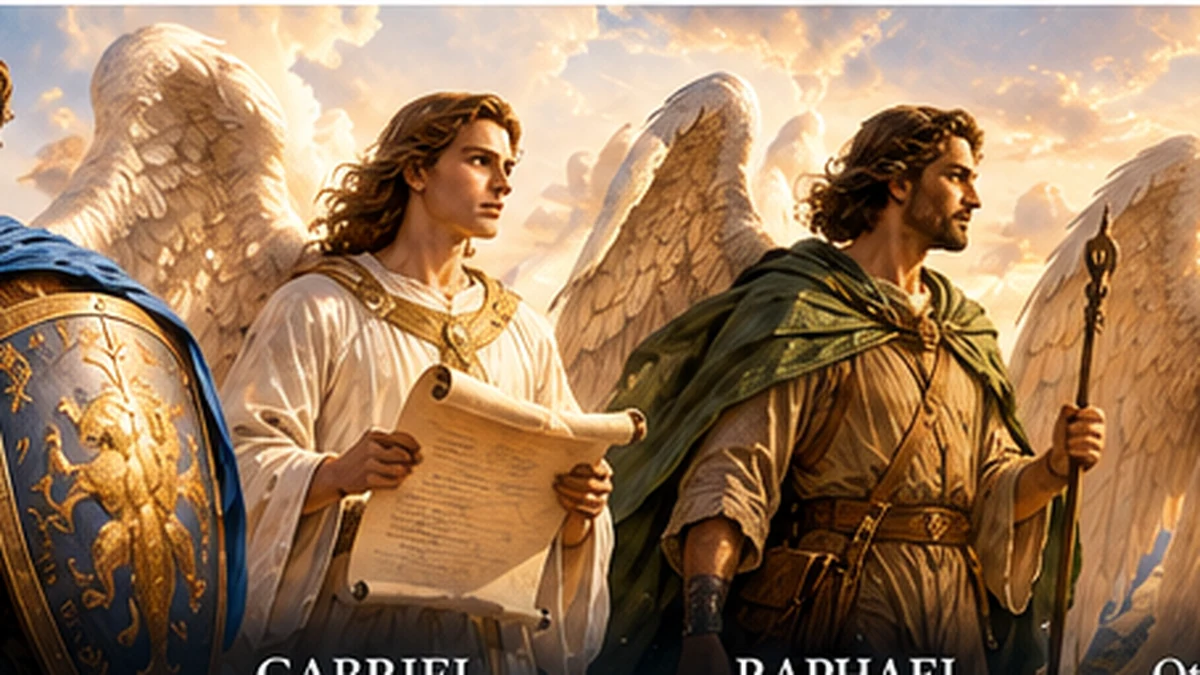
Michael and Gabriel are explicitly named in the books shared by most Christian Bibles. Raphael is named in Tobit, which belongs to Catholic and Orthodox biblical traditions but not most Protestant Old Testaments. Other familiar angel names often come from later texts and traditions.
By Andrew Richards. Biblical explanations are distinguished from later Christian interpretation; Gus is a fictional character.
Michael
Daniel 10 and 12 name Michael; Jude 9 calls him the archangel; Revelation 12 portrays his conflict with the dragon. Scripture does not call Michael the personal guardian angel of every person.
Gabriel
Daniel 8–9 and Luke 1 name Gabriel. He explains a vision to Daniel and announces important births to Zechariah and Mary. The Bible does not name Gabriel as the angel in every birth announcement.
Raphael
Tobit presents Raphael as a guide and healer and identifies him by name. Whether Tobit is included in a reader’s Bible depends on their Christian tradition, so a complete answer must acknowledge differences in biblical canon.
What about Uriel and other names?
Uriel appears in certain ancient Jewish and Christian writings, including 1 Enoch and 2 Esdras/4 Ezra traditions, but those books are not treated as Scripture by all churches. Names popular in art or devotional material should not be labeled universally biblical.
Can I discover my guardian angel’s name?
The Bible does not provide a reliable test for identifying the personal name of a guardian angel. Named biblical messengers and modern claims about private angel names should be distinguished.
Why ‘how many angels are named?’ is a harder question than it looks
The answer depends on whether the reader means angels explicitly named in the shared Protestant canon, names found in Catholic or Orthodox biblical books, or figures named in other ancient religious writings. Michael and Gabriel appear by name in Daniel and other commonly shared books. Raphael is named in Tobit. A simple numerical answer without defining the canon can mislead readers, particularly families comparing different Bible editions.
What we learn from Michael’s appearances
Daniel portrays Michael in relation to God’s people and spiritual conflict. Jude 9 explicitly calls Michael an archangel, and Revelation 12 depicts him leading angels against the dragon. The passages do not make him a replacement for God or authorize readers to invent additional encounters. A useful profile gives the chapter references, the actual actions described, and a separate note for later devotional traditions.
What Gabriel actually announces
Gabriel interprets visions in Daniel and delivers significant messages in Luke 1. In Luke, he speaks to Zechariah about John the Baptist and to Mary about Jesus. The passages emphasize the message and God’s initiative. Popular summaries sometimes name Gabriel as the messenger in every nativity-related appearance, but Matthew’s account of the angel speaking to Joseph does not identify that angel by name.
Why Raphael belongs in an interdenominational guide
Tobit tells a story in which Raphael accompanies and helps Tobias. The book is received as Scripture by Catholics and many Orthodox Christians, while most Protestant Bibles place it outside their canon or omit it. Rather than declaring Raphael either universally biblical or universally nonbiblical, the article should explain exactly where the name occurs and why Christian readers encounter different lists.
What about Uriel and other popular names?
Names such as Uriel appear in ancient writings and later traditions with varying authority across religious communities. Readers may also encounter long internet lists that combine biblical names, apocryphal writings, devotional traditions, and modern inventions without labeling the differences. The practical test is to ask which specific text names the figure and whether that text belongs to the reader’s canon. That approach is more useful than repeating an unqualified list.
A canon-aware guide to the named angels
In the 66-book Protestant canon, Michael and Gabriel are the two named heavenly angels commonly counted. Tobit names Raphael and is part of the Catholic and many Orthodox biblical canons. Therefore the count depends on the Bible edition and tradition being discussed. Readers should not mistake a difference in the canon for an error in a name.
Where to verify each name
Michael appears in Daniel 10 and 12, Jude 9, and Revelation 12. Jude 9 explicitly calls him an archangel. Gabriel appears in Daniel 8–9 and Luke 1, speaking to Zechariah and Mary; these passages do not explicitly call him an archangel. Raphael appears in Tobit, including chapter 12. A reliable guide identifies these texts rather than combining names from several traditions into a single unqualified list.
Three mistakes to avoid
The angel addressing Joseph in Matthew is not identified by name. Gabriel should not automatically be credited with every unnamed angelic appearance. Uriel and other familiar names occur in additional ancient writings or traditions with different canonical status. The Bible also provides no reliable method for learning a private guardian angel’s name.
Primary passages to read
Read the biblical passages in context before drawing conclusions from illustrations or later interpretations: Daniel 10; Luke 1; Tobit 12. These references identify the textual foundation; the article’s interpretive conclusions should be weighed against the full chapters.